Hospitality Is Running Out of Room
Words by Daniel Daly
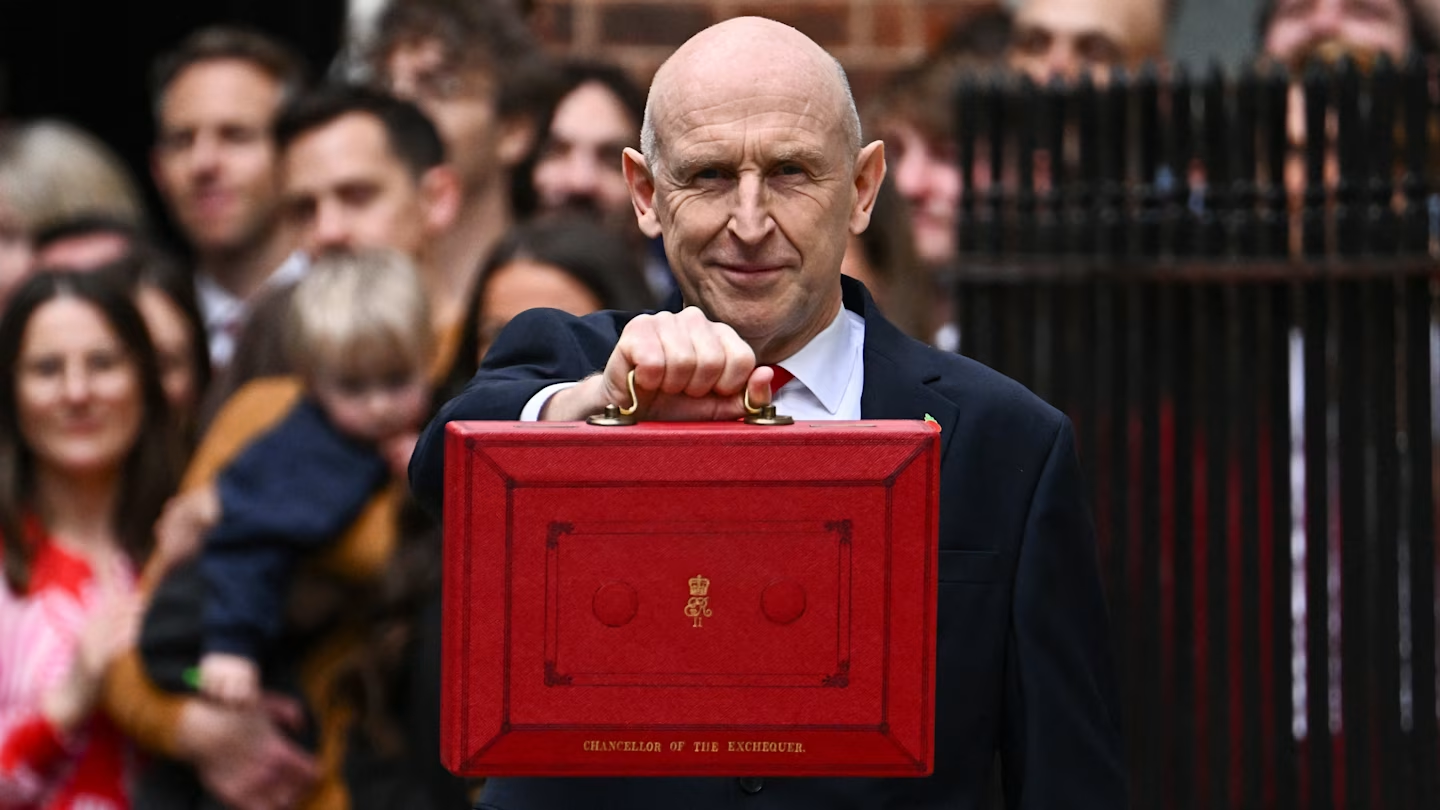
Another Budget and another reason to wonder how much more Britain's hospitality industry is expected to take.
Yesterday's Budget brought slight welcome news for pubs and smaller businesses. Business rates relief is being expanded, and certain hospitality businesses will see their bills reduced or frozen. Good news, but let's not get carried away now.
Alcohol duty is going up again in February, minimum wages are increasing, employer National Insurance remains a considerable burden, and the industry's massive coming together for repeated calls for a reduction in VAT have once again been ignored.
For an industry already struggling with rising rents, energy prices, food costs and increasingly cautious consumers, it's difficult to see where the money is supposed to come from.
Having spent years working as a chef before moving into wine, I've seen both sides of this industry. Restaurants are very expensive businesses to run. Staff, ingredients, utilities, equipment, rent, insurance; the list is endless. Unlike many businesses, a restaurant cannot replace half its workforce with a computer and expect an acceptable result.
Higher wages are, of course, a good thing for those receiving them, but somebody has to pay for them. If restaurants cannot absorb the additional costs, prices go up. When prices go up, customers visit less. When customers visit less, restaurants make less. I’m no economist but It's hardly a recipe for growth.
Then there's the wine.
The government has confirmed another increase in alcohol duty. This is very frustrating. Before a bottle even reaches a restaurant table, it has accumulated costs through transport, duty, storage and distribution. Add a restaurant's operating costs and margins, followed by VAT, and it's not surprising that a decent bottle of wine with dinner is becoming an almost ridiculous proposition.
And the consequences go considerably further than the price of a glass of Chablis.
When restaurants are struggling, they become cautious. Wine lists get smaller, number of suppliers shrink, purchasing becomes more conservative and the independent producers making interesting wines in small quantities are the first to lose out. Why take a punt on an unfamiliar, unknown producer when a predictable Sauvignon Blanc will do the job?
For businesses like Promised Cask, whose purpose is to introduce these smaller producers to the British market, this is a concern.
The government frequently talks about growth, employment and bringing life back to British high streets. Yet hospitality, an industry that delivers all three, seems to be in a continuous battle just to keep its doors open.
Budget's business rates concessions are a step in the right direction, but they do not undo the accumulated financial pressure of recent years. Nor do they address the industry's longstanding and valid argument that 20% VAT is simply too high for hospitality. Why must a microwave pasta made by a machine be a zero rated item, but the same dish made by a chef owe 20%. One supports a factory production line; the other supports chefs, waiters, local suppliers and the high street.
Britain has developed an extraordinary food and drink scene. Independent restaurants, neighbourhood wine bars, traditional pubs and incredible ambitious young chefs have helped make it one of the most exciting places in the world to eat and drink.
Unfortunately though, these businesses cannot survive on only passion and goodwill.
There is only so much a restaurant can charge for dinner, only so much a customer is willing to pay for a bottle of wine and only so much an owner can absorb before the whole thing collapses.
The government would do well to remember that once these businesses disappear, no amount of promises about economic growth will bring back the people, character and communities that make them worth protecting in the first place.
Back to the journal