
Champagne is Feeling the Heat
Words by Daniel Daly
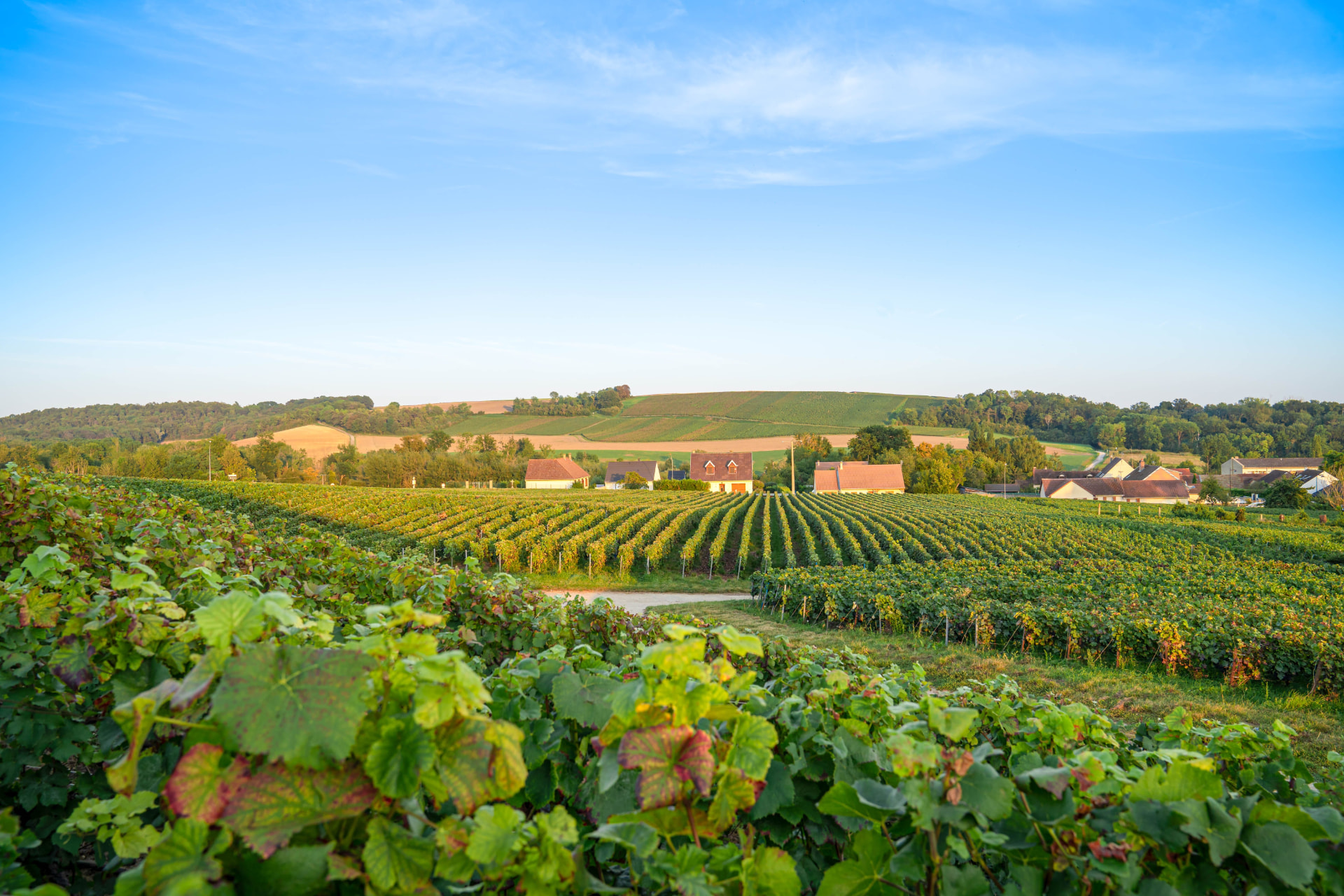
Something out of the ordinary has happened in Champagne. France's wine authorities have granted a temporary exception allowing Champagne to be made with up to 15% alcohol this year, a historic first for a region normally capped at around 12-13%. This summer's heat has pushed sugar levels higher than usual, which will lead to higher than usual ABV once fermented. Some growers have found themselves with juice that would exceed the legal limit, so, rather than force those producers to dilute or discard perfectly good wine (blasphemous), the Comité Champagne has stepped in.
This, however, doesn't mean your next glass of Champagne will need to be mixed with tonic. Comité Champagne co-chair David Chatillon was clear that the average alcohol level across the entire 2026 harvest will still sit below 12%. The relaxed rule only applies to a small minority of growers who have happened to exceed the normal ceiling. Most of Champagne will crack on as usual.
The real story isn't the 15% figure at all. It's the timing.
This year's harvest was the earliest ever recorded in Champagne. The first grapes were brought in on the 6th of August, with picking across the region by the 17th, two weeks ahead of 2025, itself being an early year. France's total 2026 wine harvest is expected to be the lowest in seventy years, with Champagne production potentially down by as much as half.
Maxime Toubart, the other chair of Comité Champagne, made his opinion on Champagne's future clear: "this unusual harvest will probably become the norm in 10 to 15 years." Champagne's own leadership says this year's extremity is on track to become next decade's ordinary.
We spend a lot of time with our small, independent growers across France, Italy, Portugal and Germany. This is exactly the kind of shift that lands hardest on them without the scale to easily absorb it. It could be a vineyard replanted, a harvest date built around decades of habit, a house style shaped by a climate that's now having to change. This is not abstract for the people we work with. It's the weather they're farming in.
Whatever's in the glass when you taste a 2026 Champagne, it's worth remembering it came from a harvest nobody has seen the likes of before.
Back to the journal